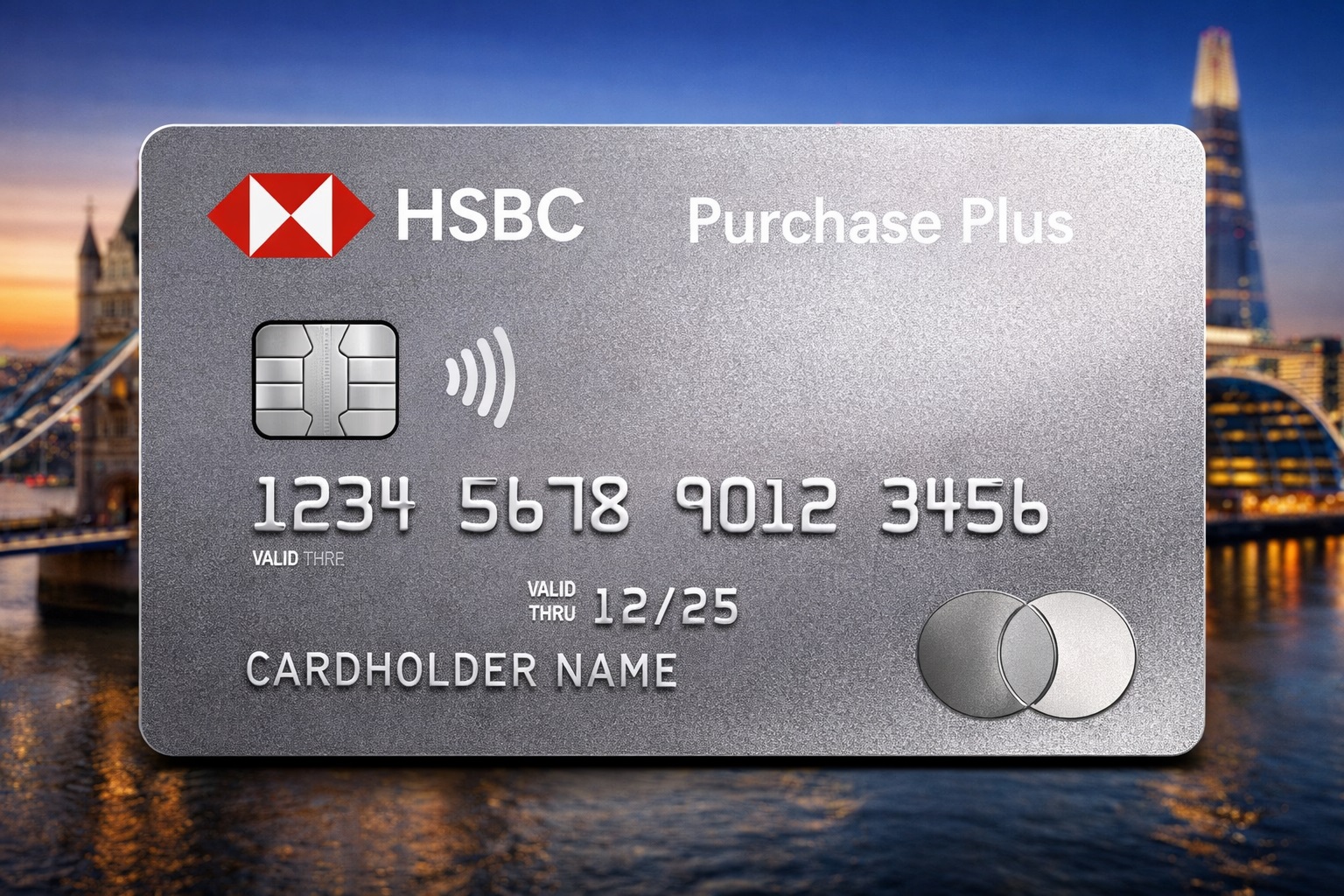





How to Secure a Premium Travel Credit Card High Limit UK and Maximise Your Air Miles

Have you ever been frustrated by a low credit card limit that doesn’t meet your financial needs? How to request a credit card limit increase is one of the most common questions among Brazilians, especially when they are concerned about not harming their credit score.
The good news is that there’s a strategic and safe way to request this increase without compromising your reputation. In this complete guide, you’ll discover tested scripts, ready-made emails, and the exact strategies that work with the country’s leading banks.
Many requests for credit limit increases are denied simply because people don’t know how to make the request correctly. You won’t make those same mistakes.
Before requesting a credit limit increase, it’s crucial to understand why your financial institution maintains a low limit. This understanding will guide your approach strategy.
Banks are cautious with new clients. If you’ve been a client for less than 6 months, your financial activity is still being analyzed. Large institutions prefer to observe at least three complete billing cycles before considering significant increases.
Delays, even of just a few days, directly impact credit analysis. A customer who consistently pays on the due date is three times more likely to be approved than one with an irregular payment history.
Did you know that using more than 30% of your available credit limit can be interpreted as a sign of financial need? Banks prefer clients who use between 10% and 30% of their available limit, demonstrating financial control.
Many people register with one income and never update that information. If your income has increased in the last 12 months, the bank may still be considering the old data in its analysis.
Even small fluctuations in your score can influence credit decisions. A score that drops from 750 to 680 points, even if still considered good, can result in automatic denials.
Valuable tip: Before making any request, check if your name has any restrictions with credit protection agencies and confirm that all information is correct and up-to-date.
Timing is everything when it comes to increasing your credit card limit. There’s a strategic moment that can increase your chances of approval by up to 80%.
Established Relationship: Clients with more than 12 months of relationship and regular activity have almost guaranteed approval, provided they follow the correct protocol.
Increasing Activity: If your account activity has increased over the last 6 months, this demonstrates financial growth and greater ability to pay.
On-Time Payments: A clean payment history over the last 12 months is the most important factor for approval. Banks value punctuality more than the declared income amount.
Intelligent Use of Credit Limit: Customers who use between 15% and 40% of their available credit limit, always paying the full amount, are considered an ideal profile for credit limit increases.
Requesting a raise at the wrong time not only results in a denial, but can negatively impact future attempts. Avoid asking when:
Successfully requesting a credit card limit increase requires preparation. It’s not a process that should be done impulsively
Having the right documentation can be the difference between approval and rejection:
| Document | Impact on Approval | When to Use |
| Updated proof of income | High | Whenever income increased |
| Transaction history (6 months) | Average | To prove stability |
| Income Tax Return | High | Income exceeding £3,000 |
| Payslips for the last 3 months | Average | Employees governed by the Employment Rights Act |
| Proof of residence | Low | Only if requested. |
If your situation isn’t ideal, wait and work on improving your profile:
Weeks 1-2: Settle all outstanding debts and update your information in Registrato (BoE). This directly impacts the automated analysis by banks.
Weeks 2-3: Increase your checking account activity. Transfer funds from your savings account to your checking account, make FPS payments, and demonstrate financial activity.
Weeks 3-4: Use your card strategically. Make purchases that represent between 20% and 35% of your limit, always paying in full on the due date.
Professional Strategy: Banks analyze not only your behavior with them, but also your banking relationship as a whole. Maintaining active accounts at multiple institutions demonstrates financial sophistication.
Now we come to the practical part. These scripts have been tested and refined based on thousands of successful requests.
Opening: “Good morning, my name is [YOUR NAME], I have been a customer for [TIME] years. I would like to request an analysis for an increase in the limit of my [CARD NAME] card.”
Justification: “My financial situation has improved positively in recent months. My current income is £[AMOUNT], and I have maintained a solid relationship with the bank, always honoring my commitments on time.”
Strong Argument: “I have been using approximately [PERCENTAGE]% of my current limit, always paying the full amount, which demonstrates responsible use of credit. I would like a limit that better suits my current profile.”
Closing: “I can provide any additional documentation that is necessary for analysis. What would be the timeframe for a response?”
Opening: “Good morning, I am [YOUR NAME], a customer since [MONTH/YEAR]. Although I am a recent customer, I would like to request a reassessment of my credit card limit.”
Specific Justification: “I have a solid credit history with other institutions, and my activity with you has been increasing and punctual. My monthly income is £[AMOUNT], and I have a credit score of [NUMBER] points.”
Demonstration of Value: “I chose this bank as my main account and would like to concentrate my spending on your card, but the current limit does not meet my monthly needs.”
Specific Request: “Would it be possible to have an exceptional review considering my overall credit profile and the increasing activity in my account?”
When you receive a negative response, use this approach:
“I understand the decision. Could you please tell me specifically which criteria were not met so that I can work on those points? Is there a minimum timeframe for a new application?”
Never show irritation or insist immediately. Note the information, thank them, and work on the points mentioned.
Many people prefer to formalize their request via email. Here are some templates that work:
Template for Initial Application
Subject: Credit Limit Reassessment Request – Client [YOUR NAME]
Dear,
I am [YOUR NAME], a customer since [DATE], holder of card [NAME/LAST NUMBER].
I am writing to request a reassessment of my credit card limit, taking into account the evolution of my financial profile:
I have maintained a consistently increasing level of activity, always honoring my commitments on the due date. The current credit limit no longer adequately meets my monthly needs.
Updated supporting documentation is attached.
I await your response and remain available for any clarifications.
Sincerely, [YOUR NAME] [YOUR PHONE NUMBER]
Subject: Follow-up – Credit Limit Increase Request
Dear Sir/Madam,
I received a response regarding my credit limit increase request submitted on [DATE].
I understand the criteria used in the analysis and would like to inform you of some updates to my profile:
Considering these improvements, I request a new review to reassess my credit limit.
I remain available to provide additional documentation.
Sincerely, [YOUR NAME]
Insight Importante: Traditional banks offer greater flexibility in special cases involving long-term relationships and significant transaction volume.
After placing your order, follow-up is crucial:
Standard Timeframe: Most banks have up to 10 business days for analysis, but responses usually come within 2-5 business days.
Monitoring Channels:
When to Contact Us:
If your request is denied, don’t give up. There are strategic alternatives:
Additional Card: Requesting an additional card for a spouse or dependent can increase the total available limit.
Card from Another Brand: Many banks offer different products. A Mastercard that was denied may be approved as a Visa at the same bank.
Pre-approved Limit: Some banks offer automatic increases upon deposit of collateral.
Invoice Installment: Demonstrate your ability to pay by using installment payments responsibly.
Renegotiation in 90 Days: Please wait this minimum period before attempting again, working on improving your profile.
Successfully requesting a credit card limit increase isn’t a matter of luck, but of strategy and correct timing. The three fundamental pillars are: adequate preparation, a professional approach, and consistent follow-up.
Always remember: banks want to lend money to those who demonstrate the ability and responsibility to repay. When you follow the scripts and strategies presented, you are speaking the language they understand and value.
Your next step is to assess your current situation, prepare the necessary documentation, and apply the strategy best suited to your profile. With patience and method, increasing your limit is just a matter of time.
1. How many times can I request a credit limit increase per year? Ideally, you should make a maximum of 3 requests per year, with a minimum interval of 90 days between them. Very frequent requests may be interpreted as financial desperation.
2. Does requesting an increase affect my credit score? Not directly. The consultation for analysis may generate a small temporary fluctuation, but the request itself does not harm the score if made through the bank’s official channels.
3. Can I request an increase even if I owe money on other cards? It is not recommended. First, settle all outstanding debts on other cards, as banks consult your full name in the analysis.
4. What is the best day of the week to make the request? Tuesday to Thursday, between 9 am and 4 pm, when the analysis systems have greater processing capacity and more analysts are available.
5. Do I need to justify how I will use the higher limit? Do not go into specific details. Keep justifications generic, such as “adjusting the limit to my current needs” or “monitoring the evolution of my financial profile”.